What matters most
- Recreate the part from the same starting point with the same comb.
- Keep the top view, light, hair state, wash timing, and product similar.
- A wider looking part in one photo is an observation, not a diagnosis.
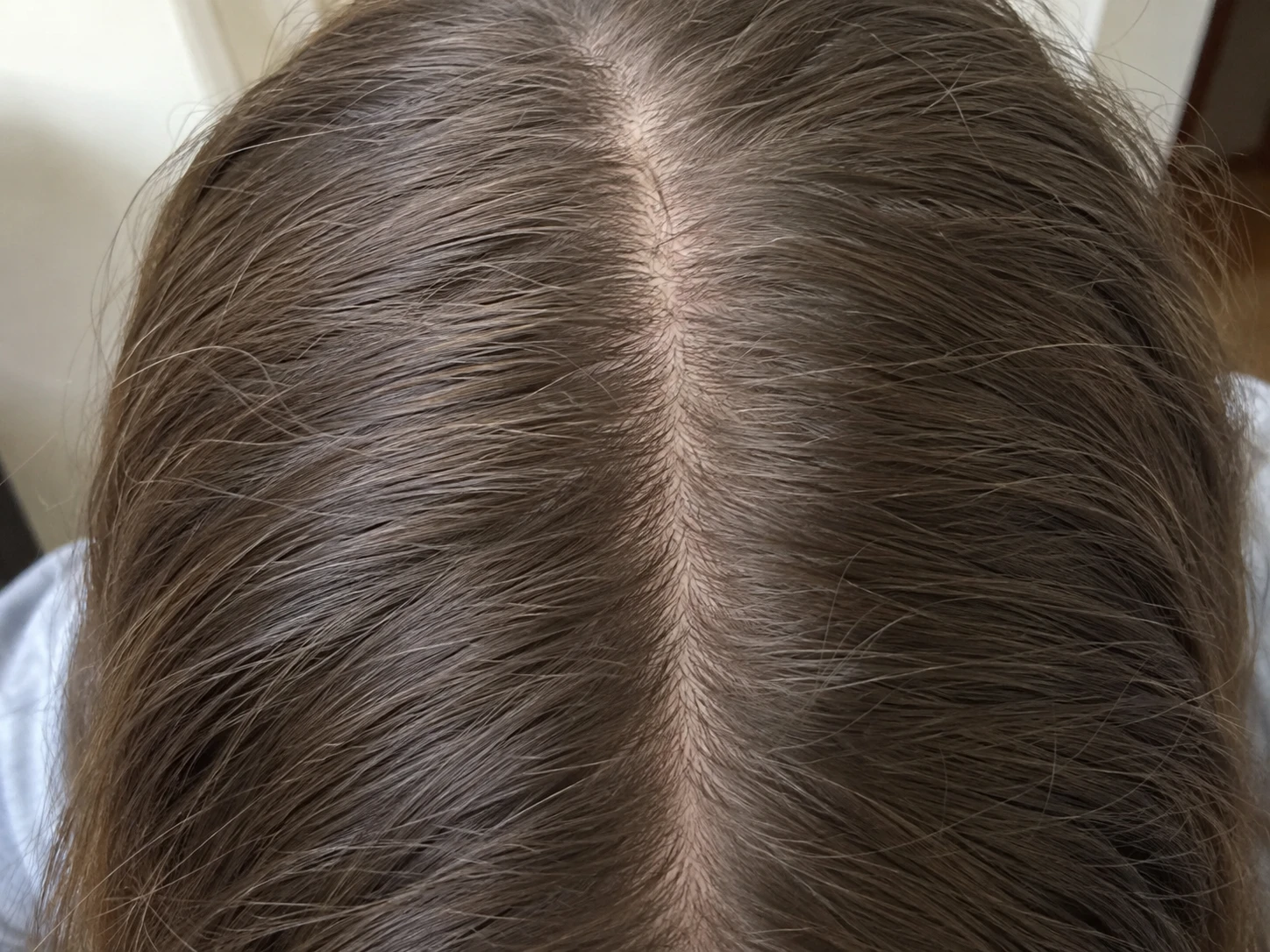
A part can move slightly every time you style it. Choose a clear starting point near the front and use the same comb to follow the same line toward the crown.
Do not force the hair flat with a different amount of pressure each time. Save a wider top photo that shows where the part begins and ends, not only a close crop of scalp.
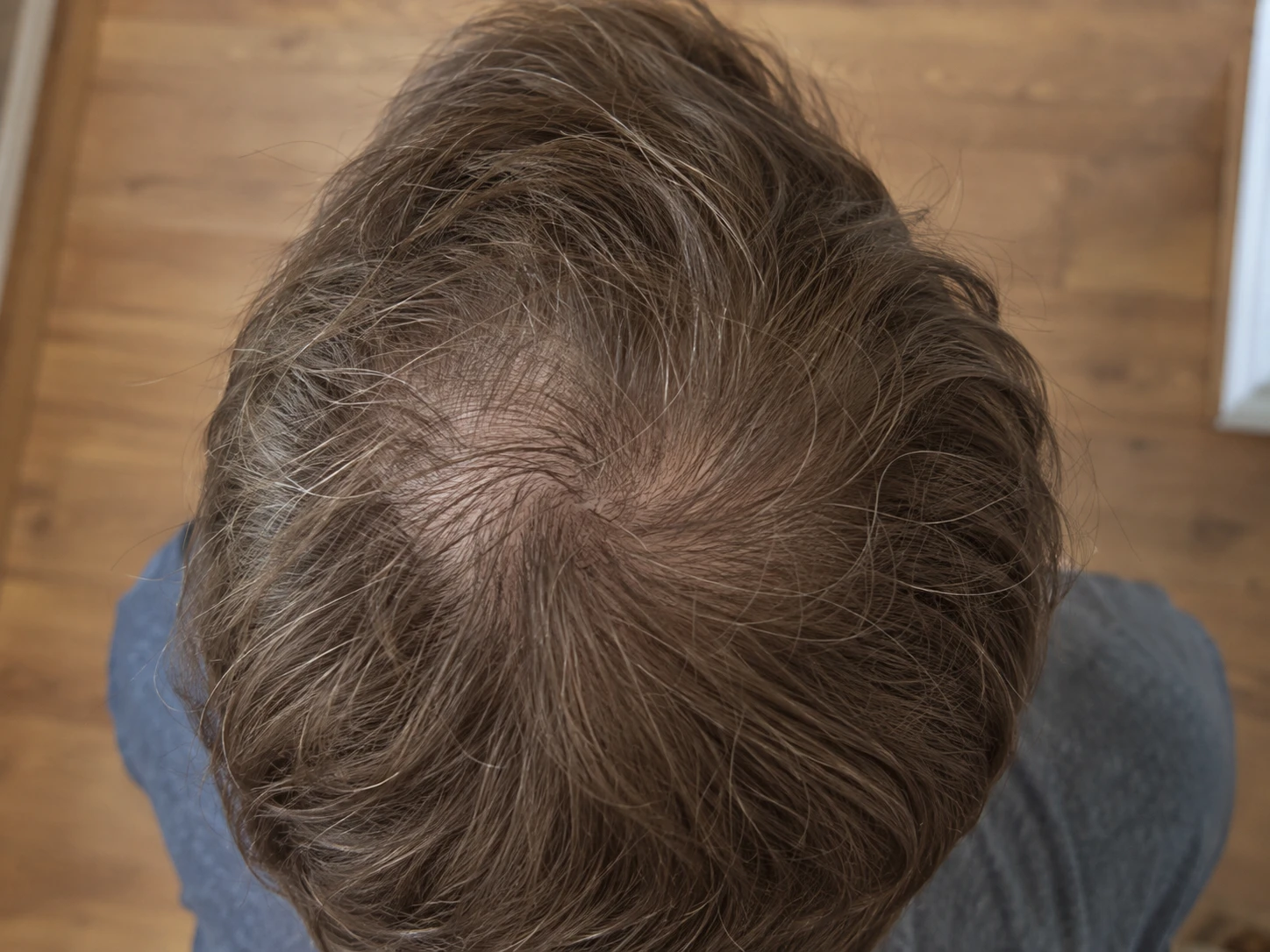
Place the phone above the head with the lens centered over the part. Keep the front and back direction consistent and include enough of the forehead or crown to judge alignment.
A stand, mirror, timer, or trusted helper can keep the height stable. Mark your feet and save a simple head position cue.
- Same starting point for the part.
- Same phone height and lens.
- Same top crop and head position.
- Same light direction and brightness.
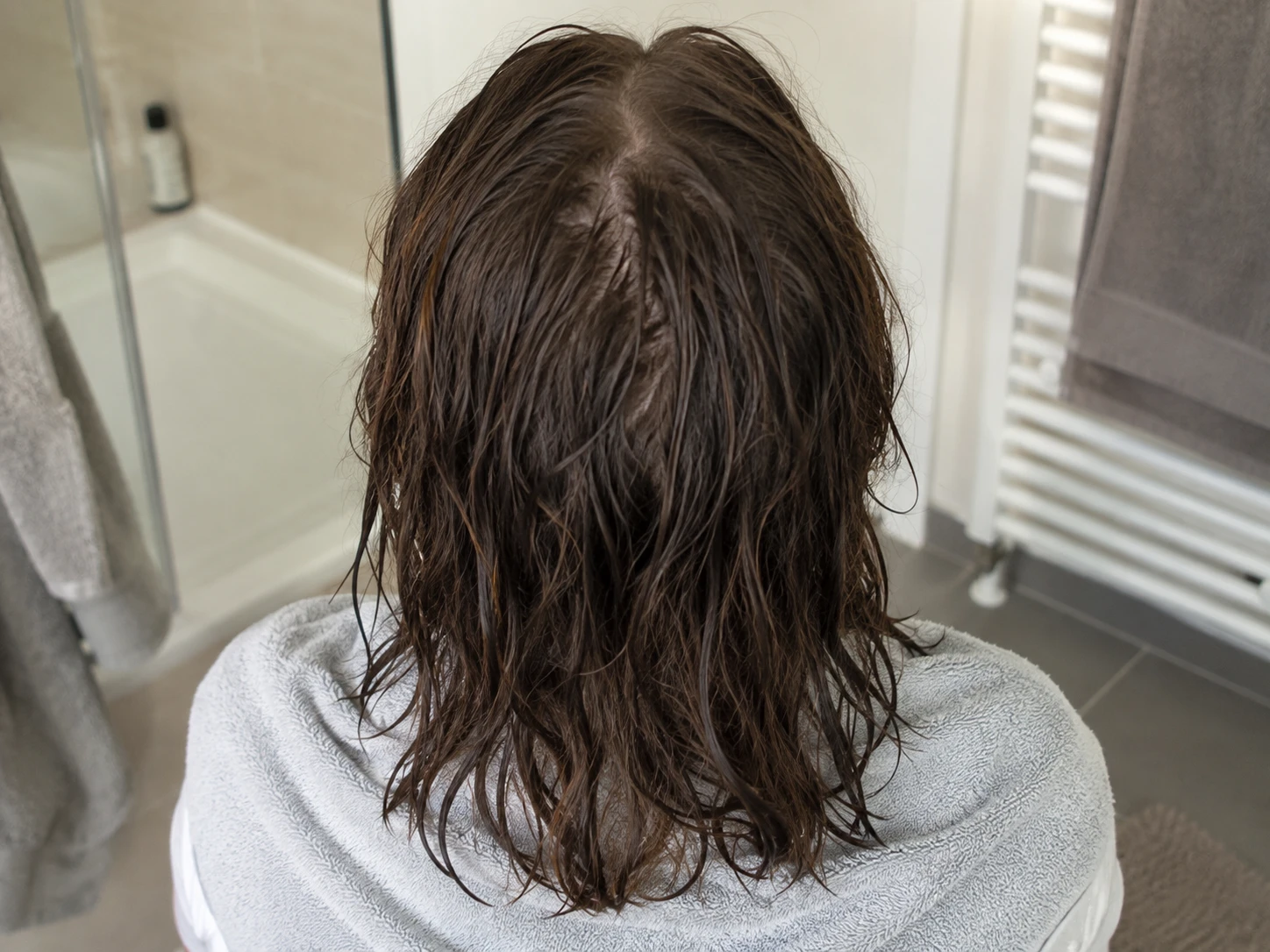
Wet hair often clumps and shows more scalp than dry hair. Oil, wash timing, hair length, volume products, and a fresh haircut can also change the photo.
Choose one hair state for the scheduled photo. When the state changes, keep the image and add a note so the difference is not mistaken for a clear change in the part.
A widening part can be a sign of female pattern hair loss, but other conditions can look similar. A photo cannot identify the cause or measure true hair density.
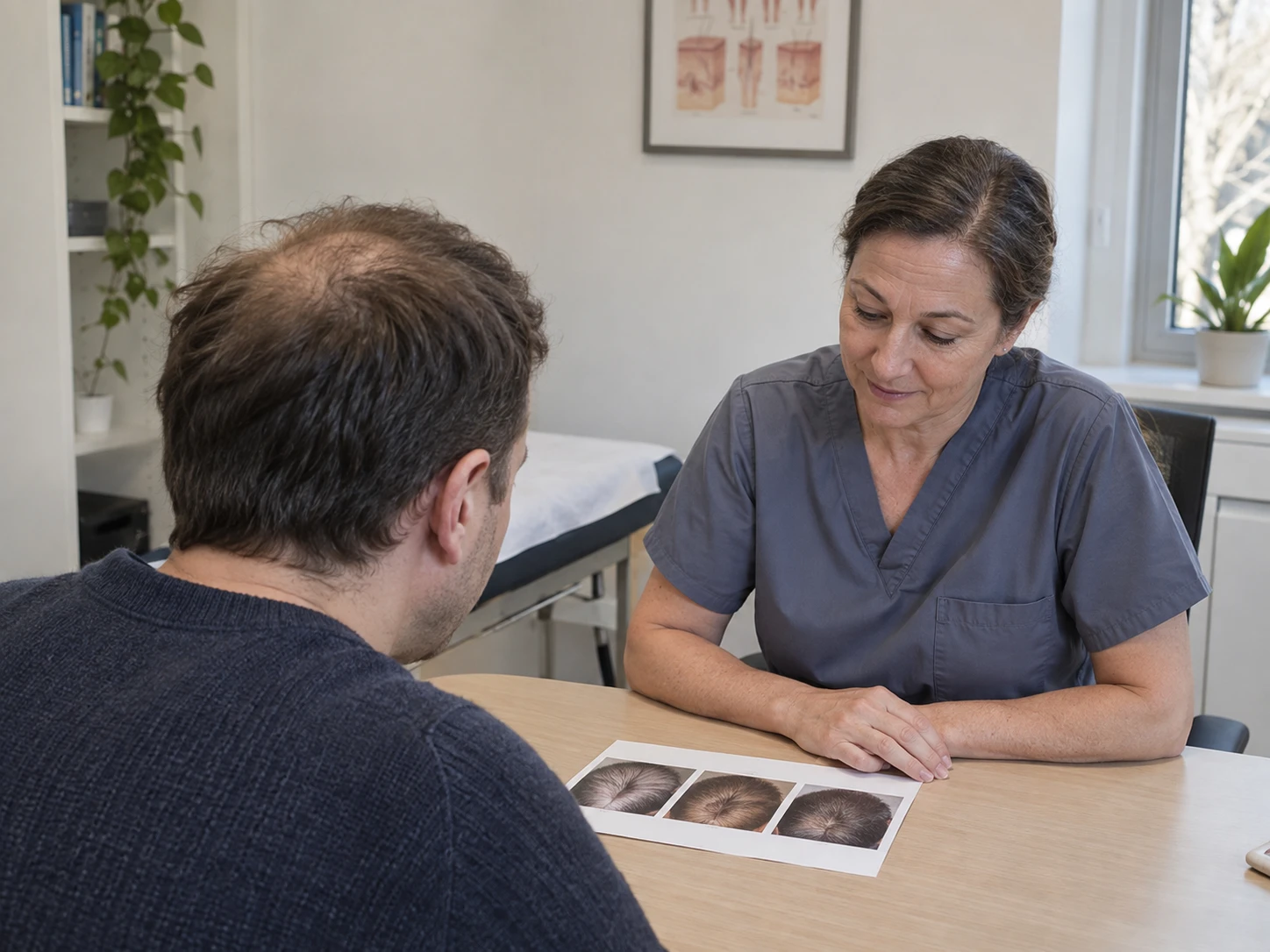
A dermatologist can evaluate a widening part, shedding, or scalp symptoms. Sudden loss, patchy loss, pain, burning, marked itching, redness, scale, sores, or pus deserve medical attention.