
Practical hair loss guides.
Photo methods, treatment research and tracking checklists for a clearer record.
Featured hair loss guide

Oral Minoxidil vs Topical Minoxidil: Effectiveness, Safety and Tradeoffs
Direct trials find no universal winner. Compare hair outcomes, scalp irritation, unwanted hair growth and the systemic risks that differ by route.Read the evidenceHair loss treatment research
Direct trials, safety limits, product differences and questions for your clinician.
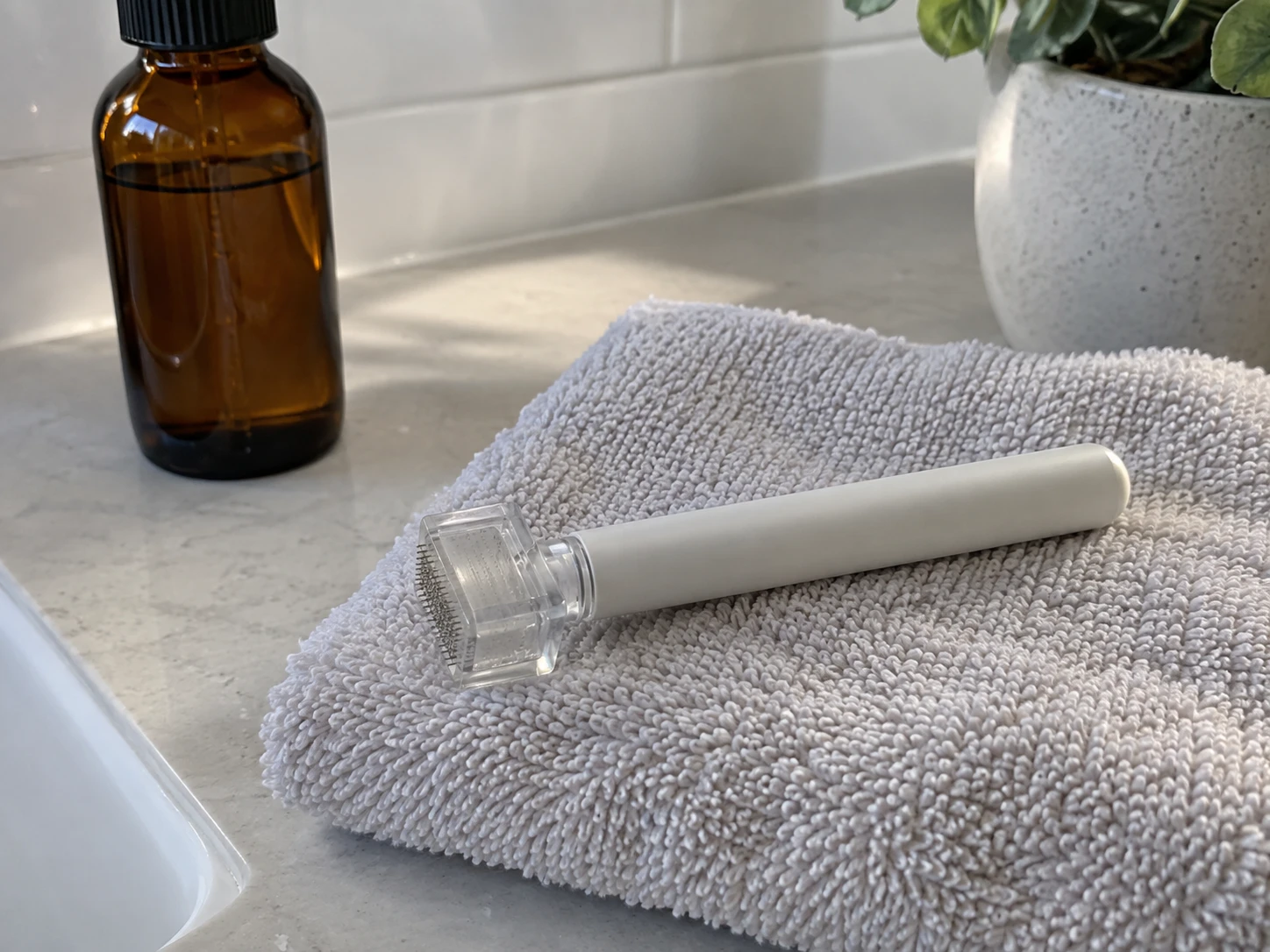
Microneedling With Minoxidil: What Dermastamp Research Shows
Small randomized trials favor microneedling plus minoxidil, but home dermastamp methods and safety instructions remain unsettled.Read the evidence
Minoxidil Foam vs Liquid: Effectiveness, Irritation and Ingredients
Both forms can work, but direct trials do not prove one universal winner. Compare ingredients, scalp comfort, styling and label directions.Read the evidence
Topical vs Oral Finasteride: Absorption, Results and Safety
One studied topical spray produced hair count gains near the oral reference group with lower blood exposure, but formulation and approval status matter.Read the evidence
Minoxidil Shedding: Timing, Warning Signs and What to Record
Early shedding can occur after minoxidil starts, but it does not predict regrowth. Learn what timing, scalp symptoms and routine details to record.Read the evidence
Low Level Laser Therapy for Hair Loss: Evidence and FDA Clearance
Some specific laser combs and helmets improved hair counts over sham devices in short trials. The result does not apply to every red light product.Read the evidenceBetter hair progress photos
Repeatable camera positions, light, hair state and timing for clearer comparisons.

How Often Should You Take Hair Progress Photos?
Choose a simple hair progress photo schedule that gives you useful comparisons without making every day feel like a test.See the photo setup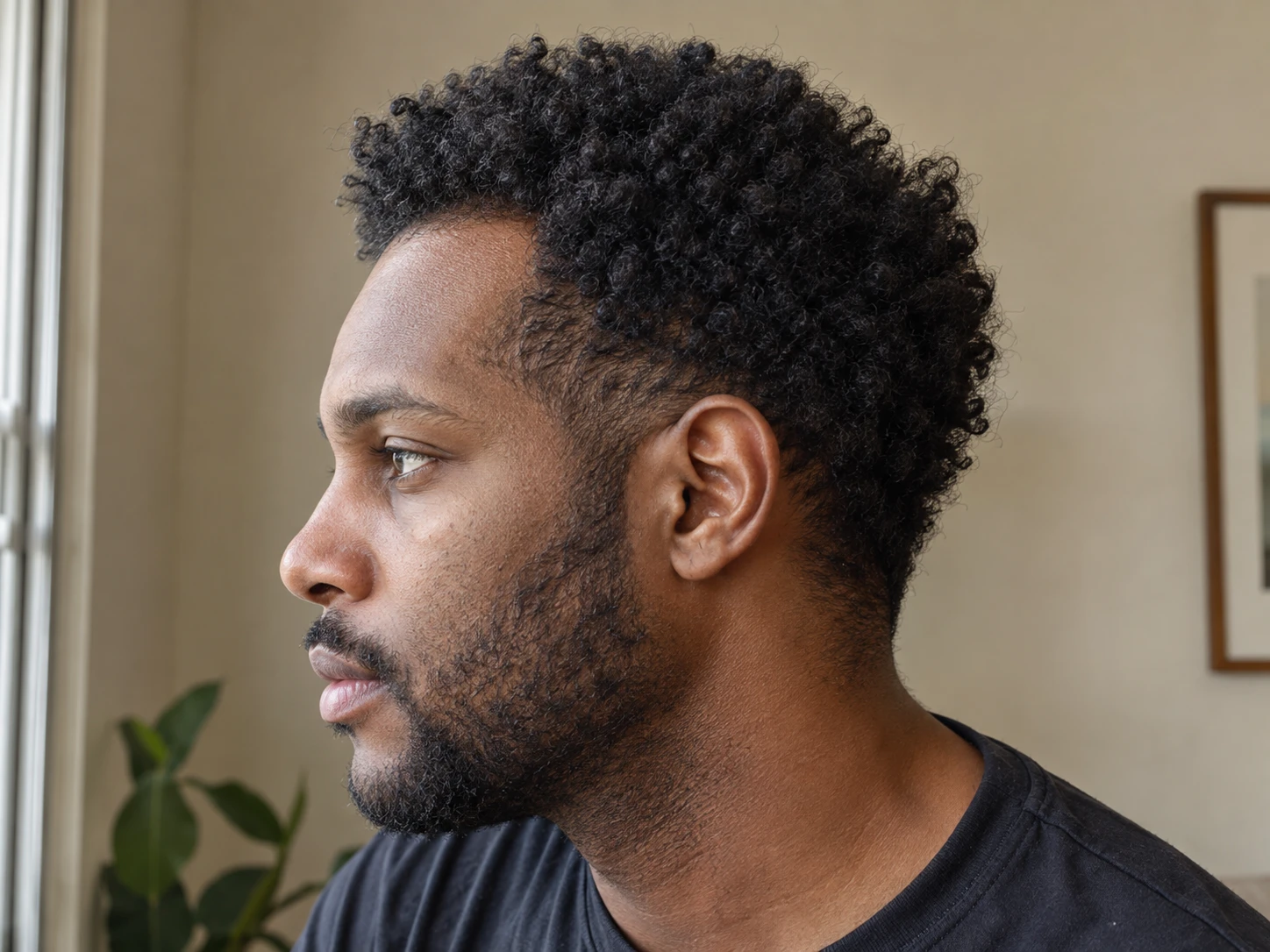
Five Hair Progress Photo Angles Worth Repeating
Use front, temple, top and crown views with stable landmarks, the rear main camera and a setup you can repeat each month.See the photo setup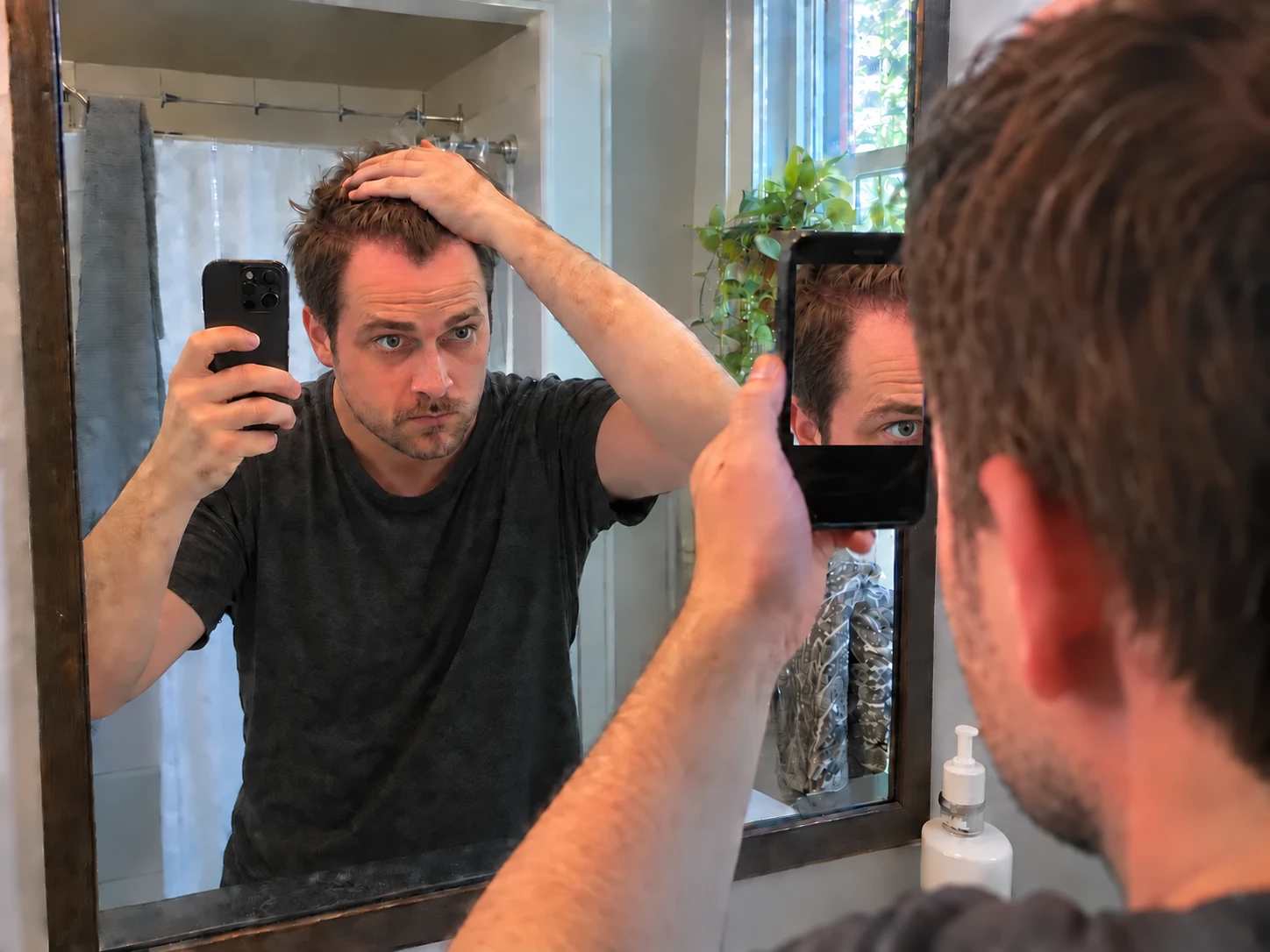
Hair Progress Photo Lighting You Can Recreate
Choose even light, fixed positions and the same camera setup so glare and shadows do not distort comparisons.See the photo setup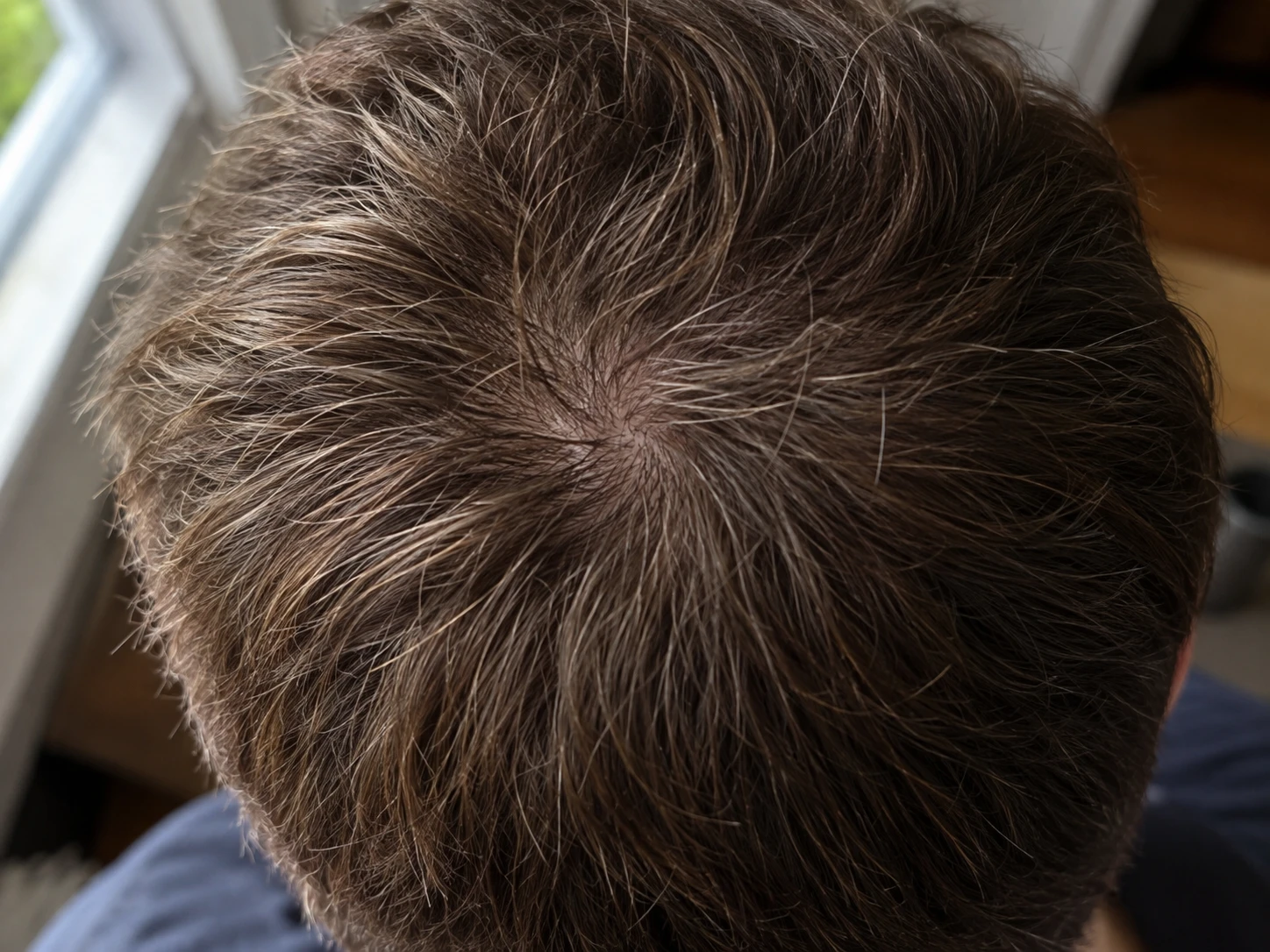
How to Photograph Crown Hair Loss
Capture the crown from the same height, angle, light, and center point so the natural whorl stays easy to compare.See the photo setup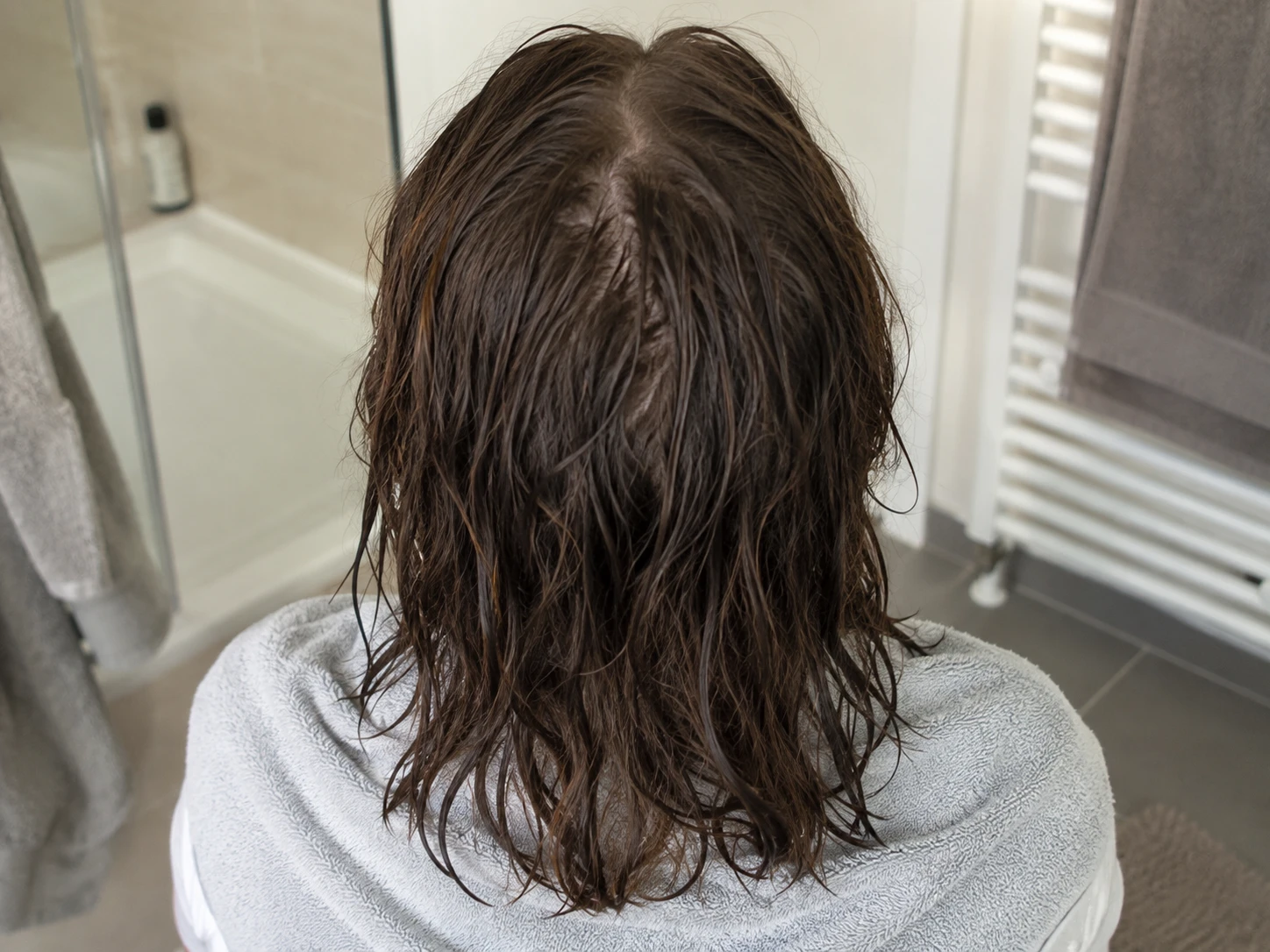
Wet Hair or Dry Hair for Progress Photos?
See why wet and dry hair can look so different, then choose one repeatable state for clearer progress photos.See the photo setup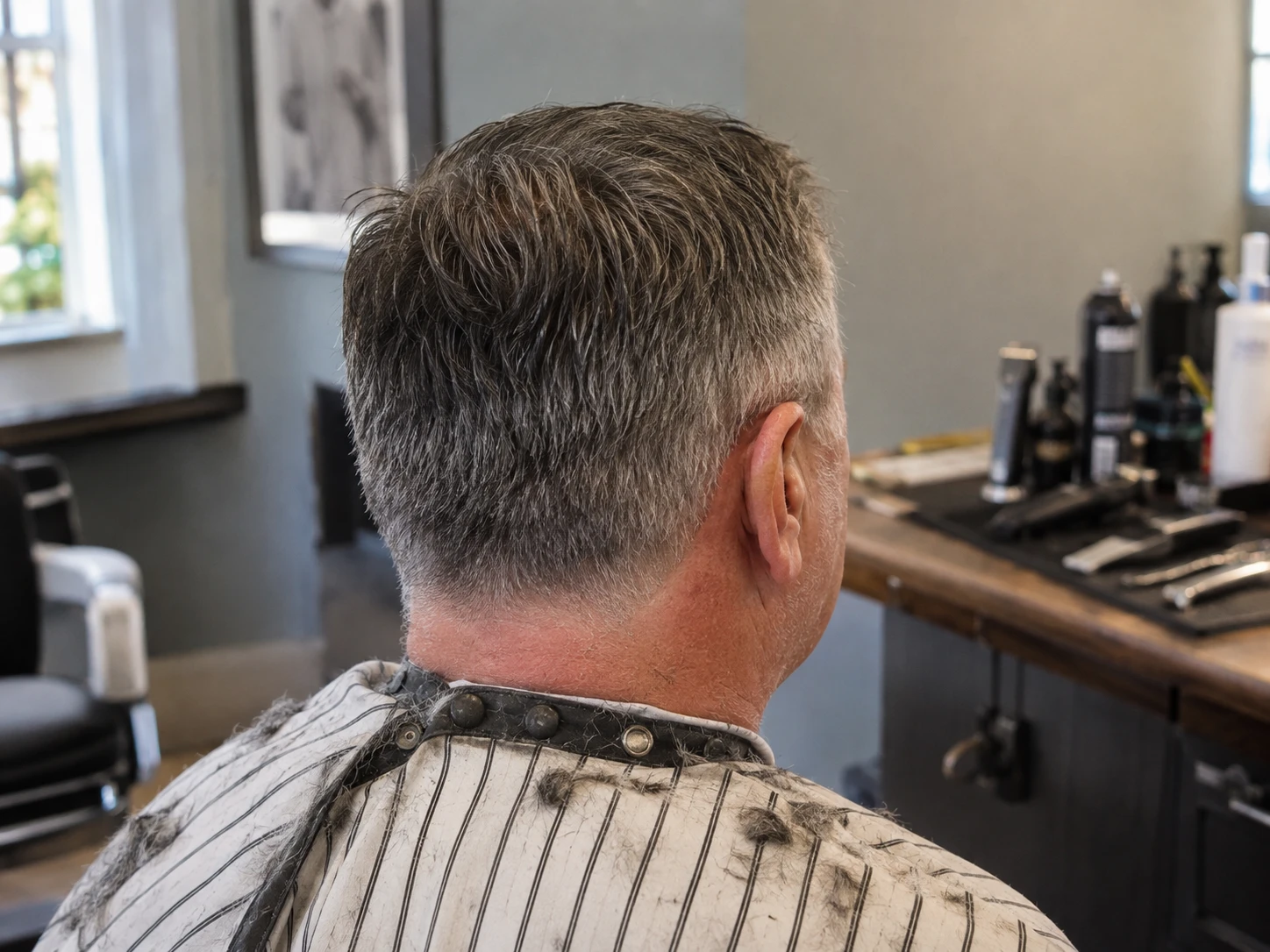
How Haircuts Affect Hair Progress Photos
Keep a haircut from confusing your timeline by recording the date, length change, styling change, and first photo after the cut.See the photo setupBuild a useful hair record
Document your hairline, part, crown and shedding without forcing a conclusion.
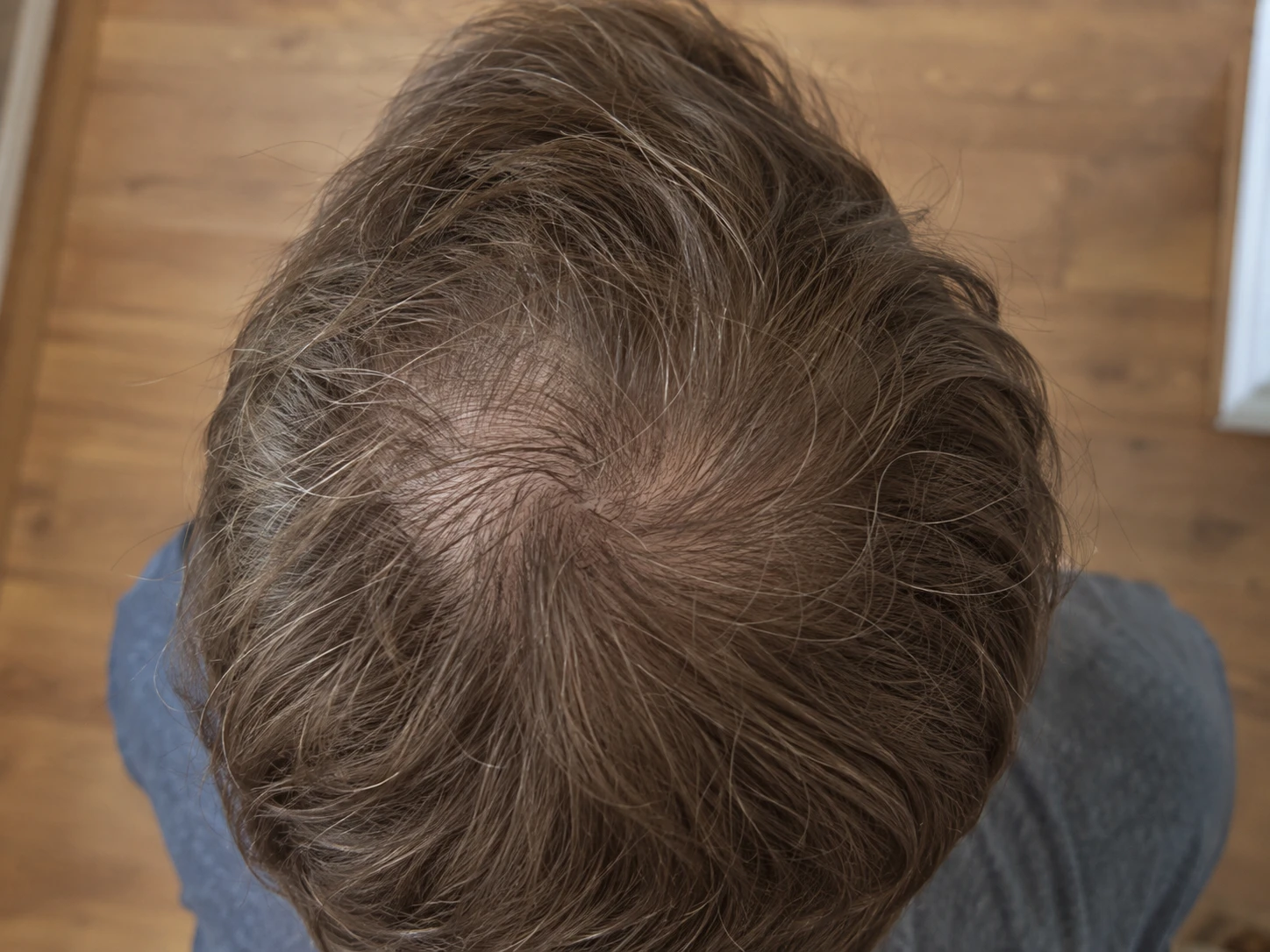
Hairline Shape vs Visible Scalp Coverage in Photos
Use front and temple views for the hairline and overhead views for visible scalp coverage, without treating a photo as a density measurement.Open the guide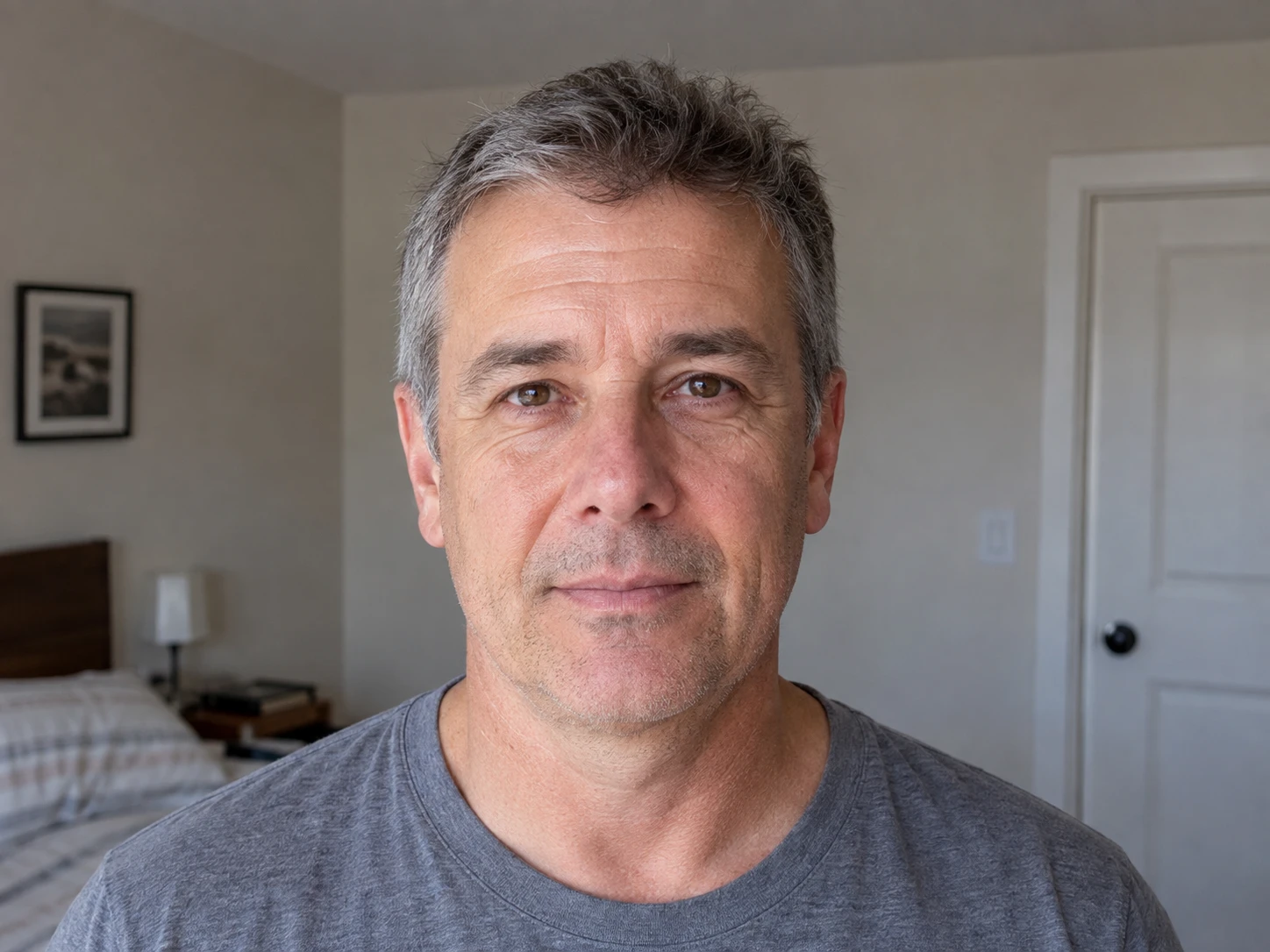
How to Create a Hair Loss Tracking Baseline
Create a dated starting point with clear photos, simple setup notes, and views you can reproduce later.Open the guide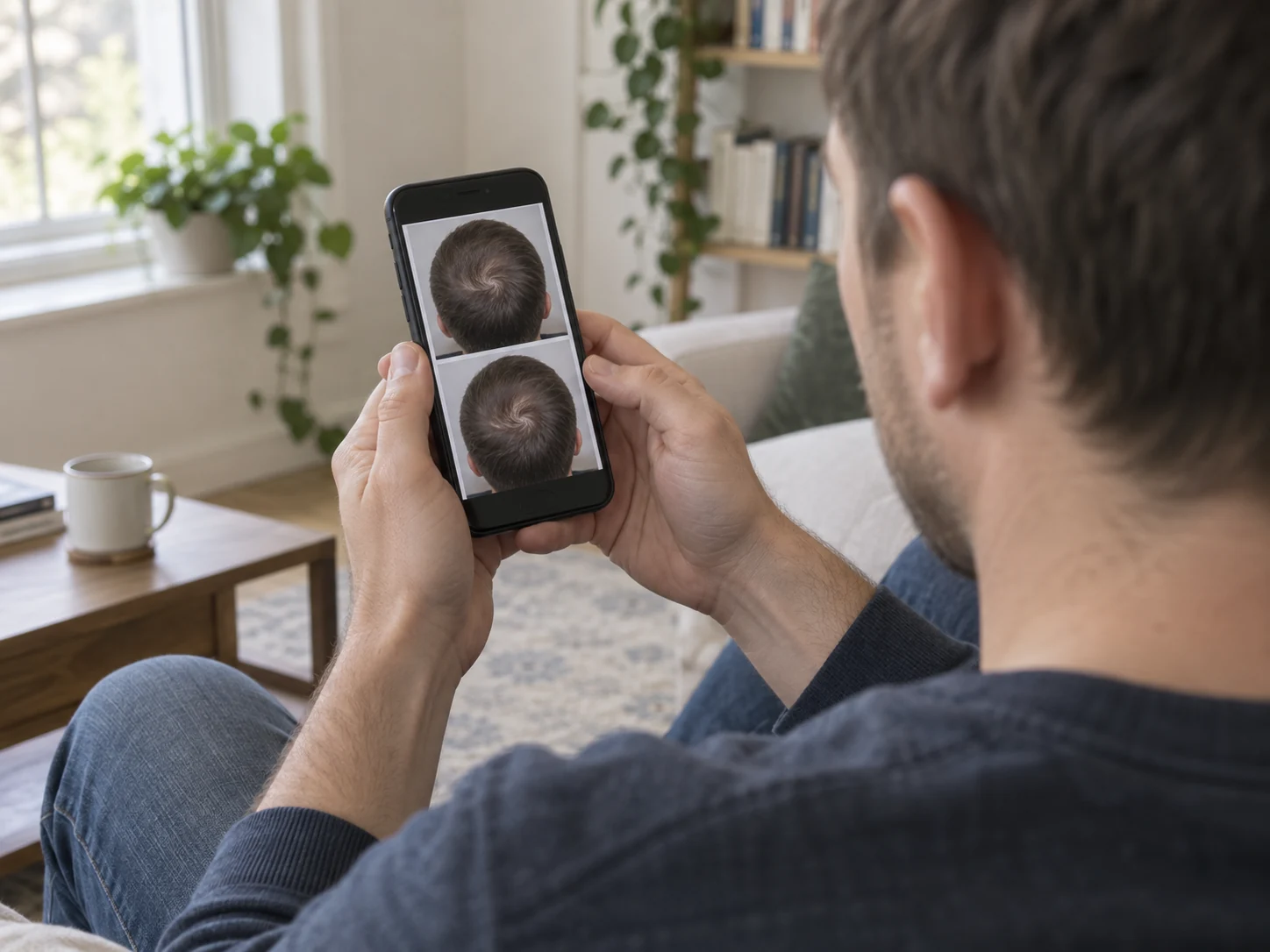
How to Compare Hair Progress Photos Month to Month
Check the photo conditions first, match one view at a time, and review the full timeline without overreading one image.Open the guide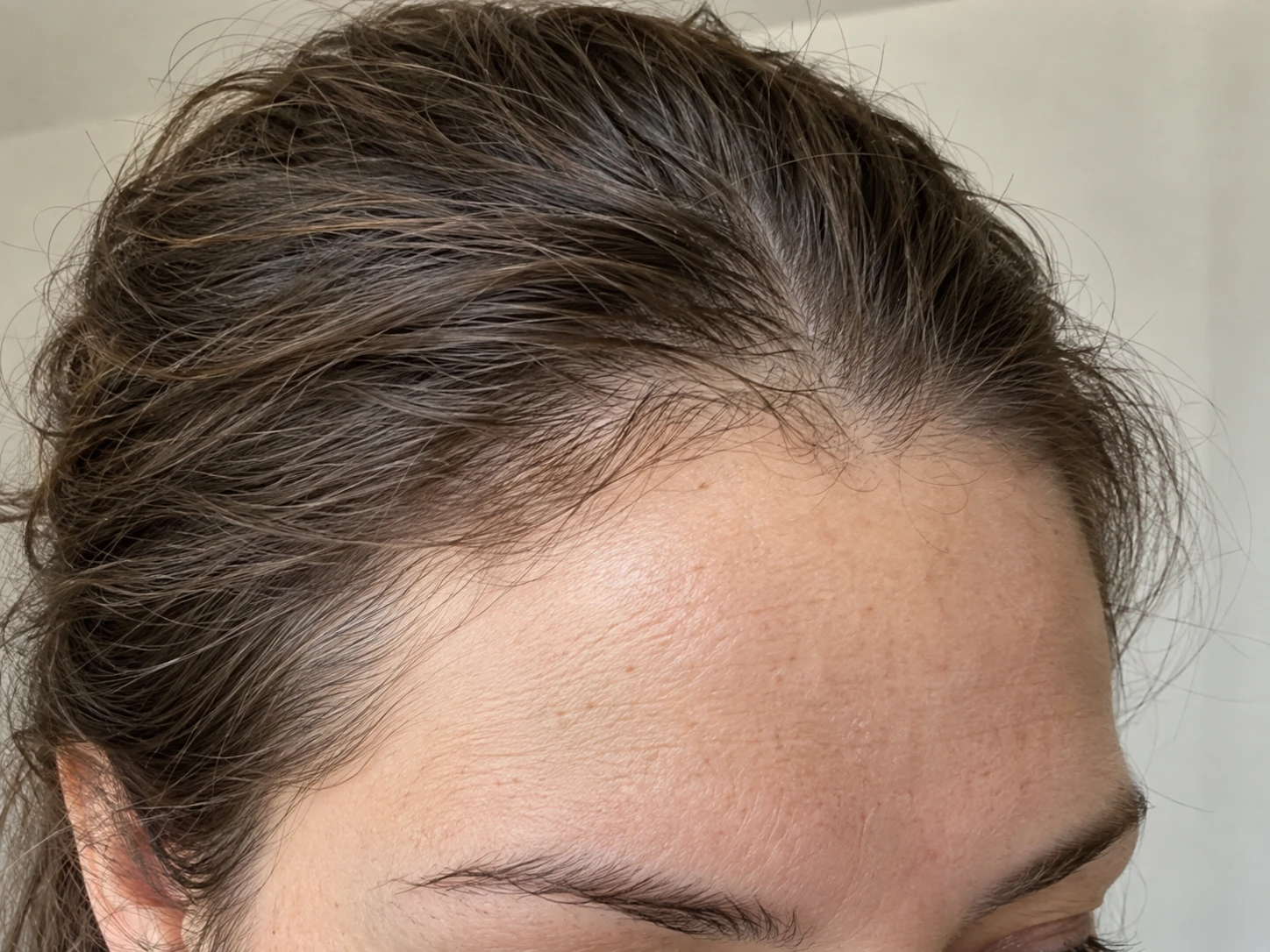
How to Track a Receding Hairline
Use a centered front view, matching temple photos, and stable forehead landmarks to follow the visible hairline over time.Open the guide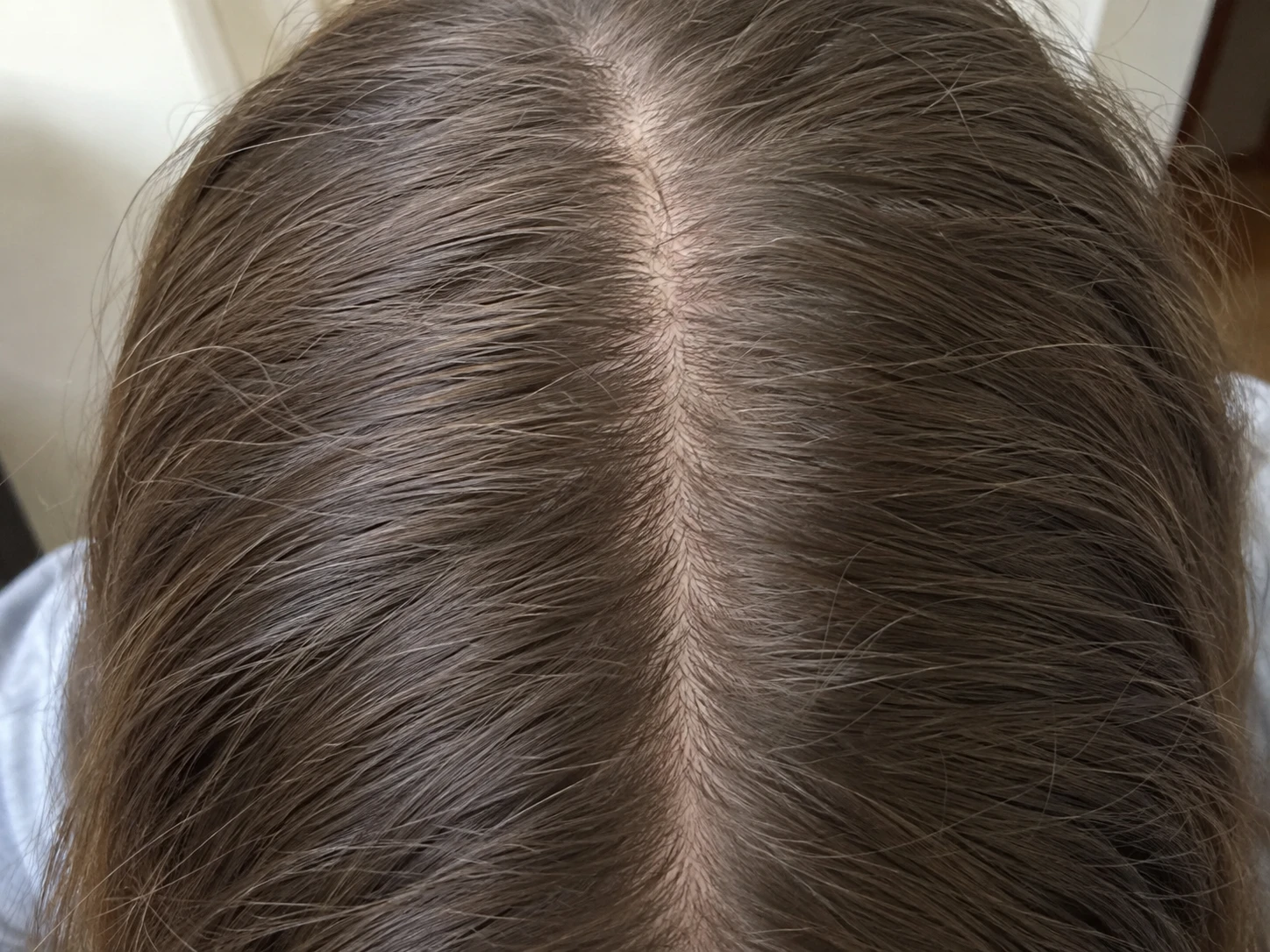
How to Track a Widening Hair Part
Recreate the same part, top view, hair state, and lighting so visible scalp along the part stays easier to compare.Open the guide
What to Note When Hair Shedding Changes
Create a clear shedding record with dates, context, scalp symptoms, routine changes, and questions for a clinician.Open the guide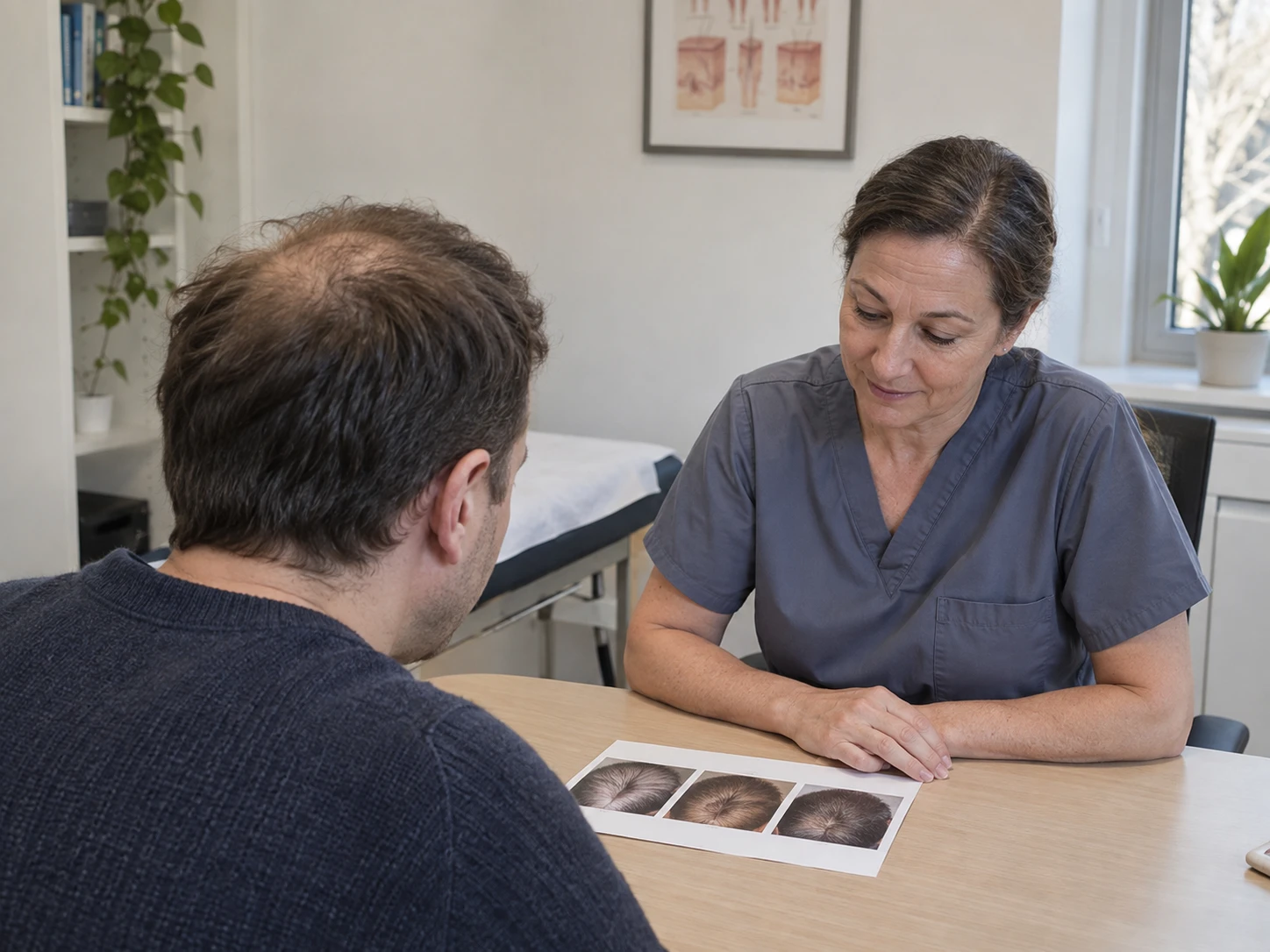
How to Prepare Hair Progress Records for a Dermatologist
Turn months of photos and notes into a short, dated record that is easy to review during a dermatology appointment.Open the guideTreatment tracking checklists
Keep product directions, routine entries, photos and notes together.

Minoxidil Tracking Checklist: Product, Routine, Photos and Notes
Record the exact product directions, real routine entries, matched scalp photos, symptoms and changes without asking the tracker to judge the result.View the checklist
Finasteride Tracking Checklist: Prescription, Photos and Notes
Keep the prescribed schedule, completed and missed entries, dated scalp photos, symptoms and questions ready for the next clinician visit.View the checklistKeep the record private
Learn where original photos stay and how exports and deletion work.