Observations stay in order
A dated note is easier to review than a vague memory of when shedding changed.
Shedding is hard to remember accurately after the fact. Plume gives each observation a date and keeps it beside the routine changes and photos from the same period.
A shedding note records an observation. It does not provide a diagnosis or explain the cause.
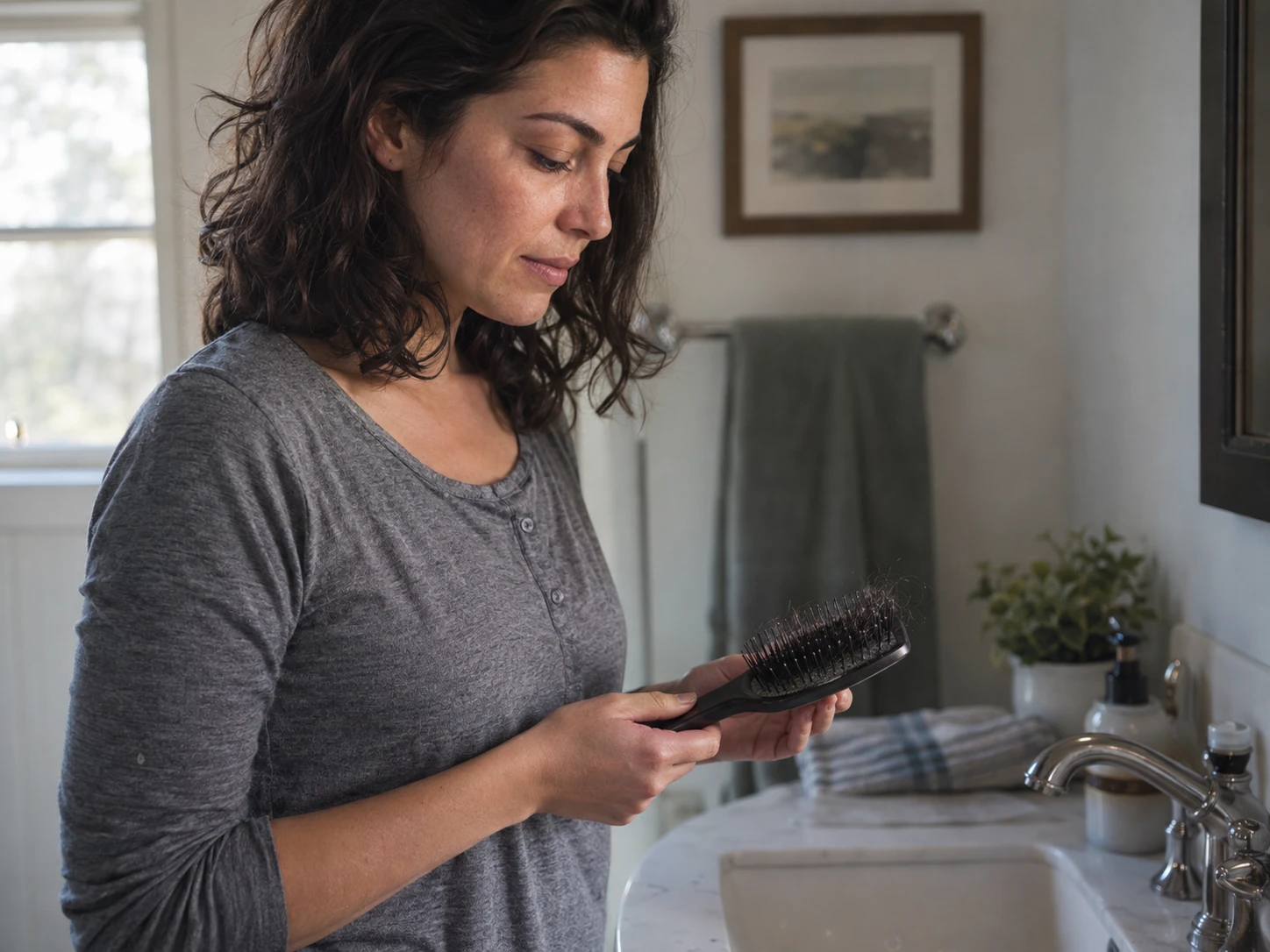
A hair shedding tracker can help you record what you noticed, when you noticed it, the surrounding routine and the photo history from that period. In Plume, shedding observations live in factual notes beside adherence, symptoms and dated Hairline, Top and Crown photos. Plume does not count hairs, identify a pattern or decide what caused the shedding.
Use plain language and record the date while the observation is still clear.
Note a wash day, haircut, styling change, symptom or routine change when it is relevant.
Continue your repeatable Hairline, Top and Crown photo sets without using one image to explain the shedding.
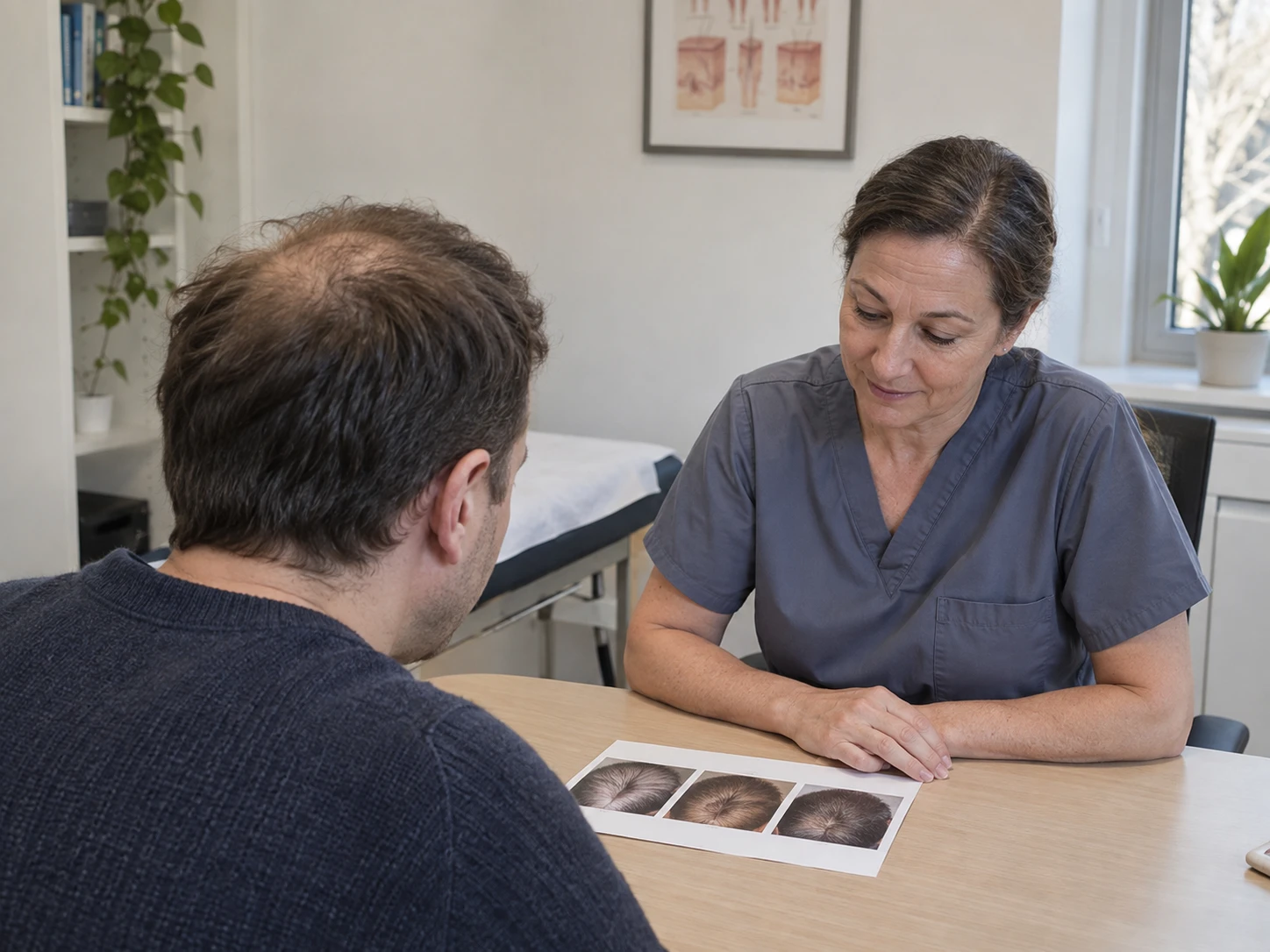
Look back at the notes, routines and photos as a history you can discuss with a clinician.

A dated note is easier to review than a vague memory of when shedding changed.
Keep relevant facts beside the observation without claiming that one caused the other.
The shedding record remains connected to your wider hair progress history.
Write the observation in plain language. Note whether it happened during washing, brushing, styling or another moment that matters to you. Add the date and stop there unless more context is useful.
Plume does not count hairs or classify the shedding. A personal estimate can also vary with wash frequency, hair length and how the observation was made.
A routine start, missed entry, haircut or symptom may be worth preserving beside a shedding note. Plume keeps those dates together so you do not need to reconstruct the order later.
Timing alone does not prove that one event caused another. Contact a qualified healthcare professional if shedding is sudden, concerning or paired with symptoms that need medical attention.
Photos document visible appearance. Shedding notes document what you observed. Routine history documents what you followed. Keeping all three in Plume gives you a clearer record without pretending they answer the same question.
You can create a discussion PDF from the history you selected when you want to bring the sequence to a clinician conversation.
No. Plume lets you record factual shedding observations in dated notes. It does not count hairs or label the amount.
Record what you noticed, the date and any relevant context such as a wash day, styling change, haircut, symptom or routine change.
No. Plume preserves the timing and context you recorded. It does not diagnose a cause or connect the shedding to a treatment.
Yes. You can create a discussion PDF from the history you selected and use it during a clinician conversation.